Public Transport in İstanbul: Complete Guide
This article was updated on 18 November 2026
In this report we look at the main land and sea transport options in the Turkish city of İstanbul.
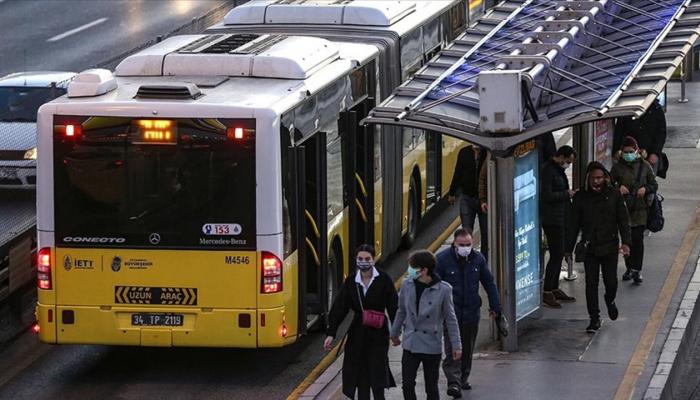
Metrobus (metrobüs)
It is one of the most important and widely used means of transport in İstanbul, and it has several routes:
1- Route 34: from (Avcılar) to (Zincirlikuyu).
2- Route 34A: from (Cevizlibağ) to (Söğütlüçeşme).
3- Route 34AS: from (Avcılar) to (Söğütlüçeşme).
4- Route 34BZ: from (Beylikdüzü) to (Zincirlikuyu).
5- Route 34C: from (Beylikdüzü) to (Cevizlibağ).
6- Route 34G: from (Beylikdüzü) to (Söğütlüçeşme).
7- Route 34U: from (Uzunçayır) to (Zincirlikuyu).
8- Route 34Z: from (Zincirlikuyu) to (Söğütlüçeşme).
Underground METRO
Metro M1 (M1A and M1B)
One of the oldest metro lines in İstanbul, it has two branches starting from Yenikapı: M1A runs to the former Atatürk International Airport, and M1B runs to Kirazlı.
Metro M2
One of the most important lines, it connects Yenikapı in central İstanbul with Hacıosman.
It passes through several areas such as Şişli, Taksim and Levent, and crosses over the Golden Horn.
Metro M3
It connects Bakırköy-Sahil and Kayaşehir Merkez.
Metro M4
A line connecting Kadıköy on the Asian side with Sabiha Gökçen Airport, passing through areas such as Kartal, Pendik and Tavşantepe.
Metro M5
The line between Üsküdar and Sultanbeyli via Altunizade and Çekmeköy. At Altunizade it connects with the metrobus, making travel much easier for people coming from the European side.
Metro M6
A short line connecting Levent with Boğaziçi University (Boğaziçi Üniversitesi/Hisarüstü), one of Türkiye's top universities.
Metro M7 (Mahmutbey)
It connects Yıldız with Mecidiyeköy and then Mahmutbey, passing through Şişli, Kağıthane, Eyüp, Gaziosmanpaşa, Esenler and Bağcılar. Its stations include Mecidiyeköy, Çağlayan, Kağıthane, Nurtepe, Alibeyköy, Yeşilpınar and Veysel Karani.
Other lines
Other lines include M8 between Bostancı and Parseller, M9 between Olimpiyat and Ataköy, and M11 between Gayrettepe and Halkalı.
Tram (Tramvay)
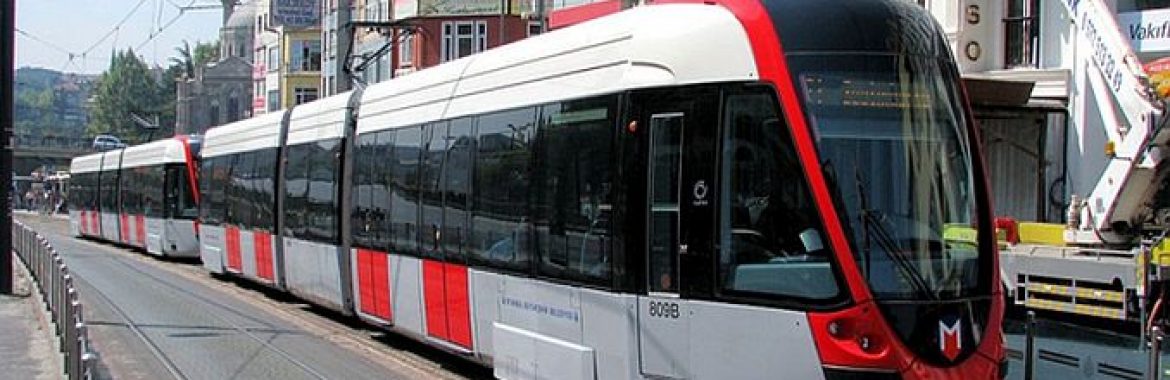
The tram runs above ground and generally makes it easy to reach İstanbul's tourist areas. Its main lines are:
- T1: between Kabataş and Bağcılar; it is the longest tram line, with 31 stations.
- T2 (historic tram): between Taksim and Tünel on İstiklal Avenue.
- T3 (historic tram): a loop starting at Kadıköy, passing through Moda and returning to Kadıköy.
- T4: between Topkapı and Mescid-i Selam.
- T5: between Eminönü and Alibeyköy.
Marmaray
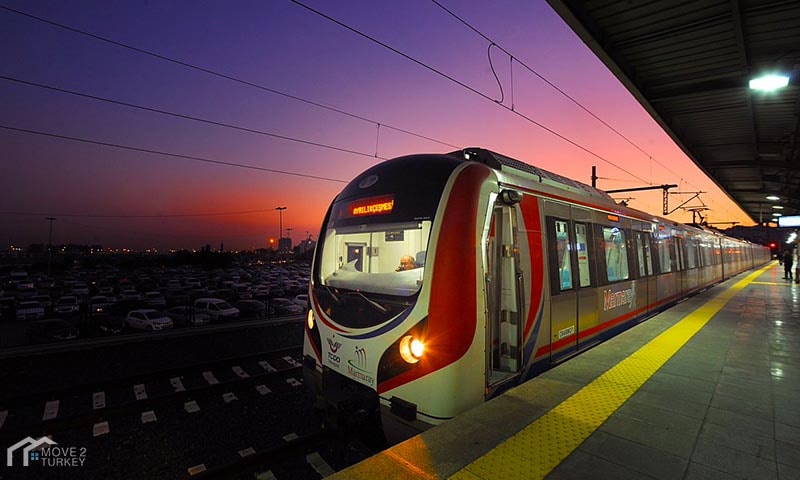
It is the commuter rail line that runs through a tunnel under the Bosphorus, connecting Halkalı on the European side with Gebze on the Asian side over about 77 km. The section under the Bosphorus opened in 2013, and the full line was completed on 12 March 2019.
Its stations include:
Halkalı ــ Mustafa Kemal ــ Küçükçekmece ــ Florya ــ Yeşilköy ــ Yeşilyurt ــ Ataköy ــ
Bakırköy ــ Yenimahalle ــ Zeytinburnu ــ Kazlıçeşme ــ Yenikapı ــ Sirkeci ــ Üsküdar ــ
İbrahimağa ــ Söğütlüçeşme ــ Feneryolu ــ Göztepe ــ Erenköy ــ Suadiye ــ Bostancı ــ Küçükyalı ــ İdealtepe ــ Süreyya Plajı ــ Maltepe ــ Cevizli ــ Atalar ــ Başak ــ Kartal
ــ Yunus ــ Pendik ــ Kaynarca ــ Tersane ــ Güzelyalı ــ Aydıntepe ــ İçmeler ــ Tuzla ــ Çayırova
ــ Fatih ــ Osmangazi ــ Gebze
Bus (Otobüs)
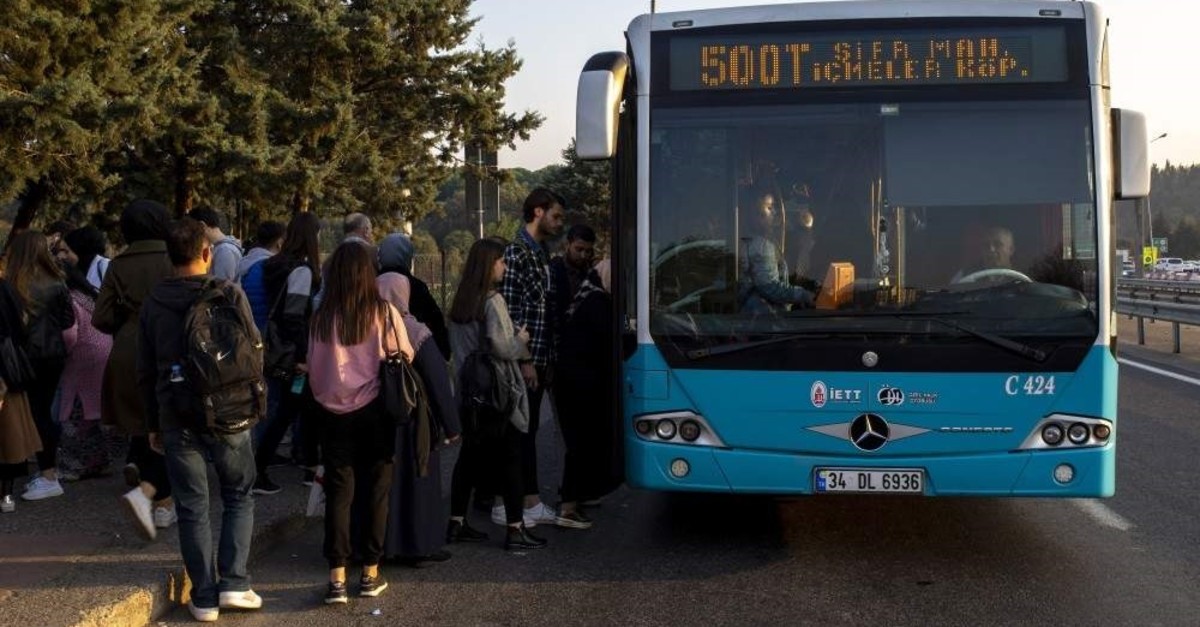
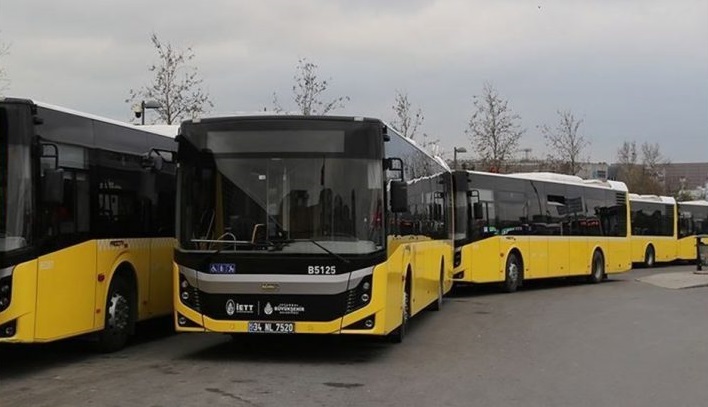
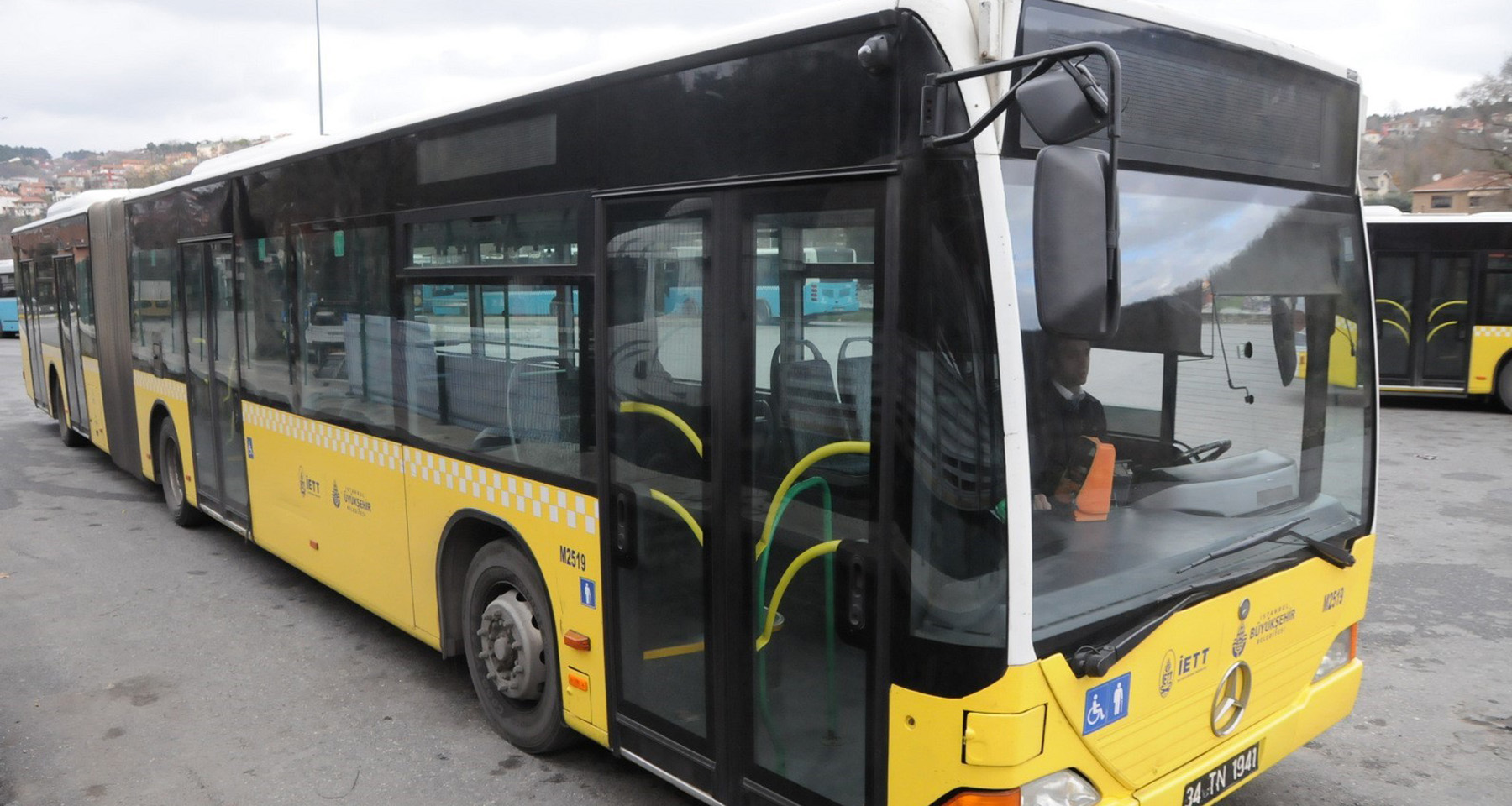
İstanbul has a large number of city buses connecting many areas with each other. Their drawback is that they are good for short distances, but for long distances, especially at rush hour, İstanbul's traffic greatly affects bus journeys.
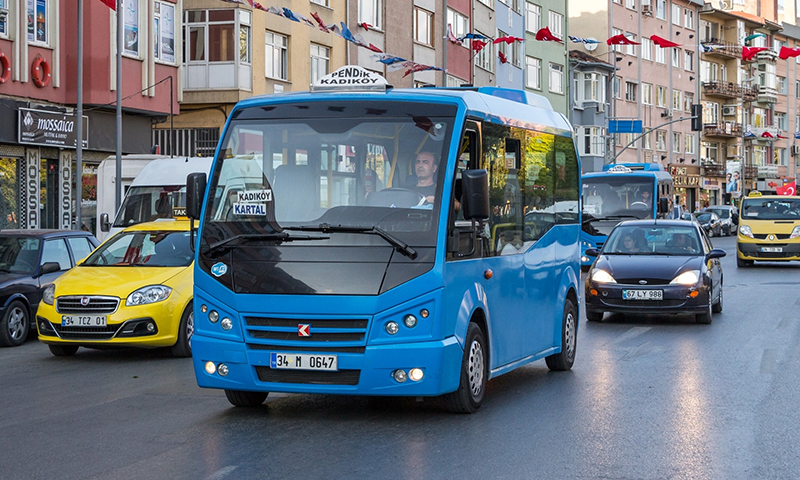
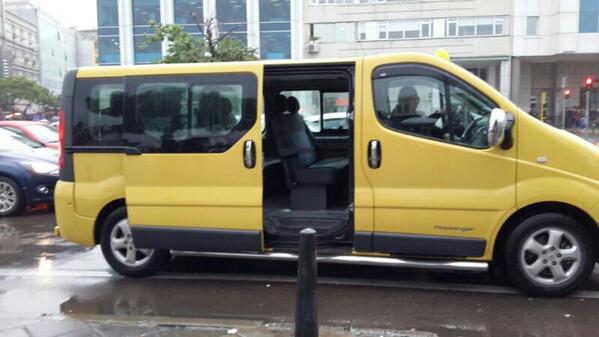
Minibus "dolmuş" (Mini otobüs)
These are smaller than regular buses, and the İstanbul transport card is not used on them; passengers pay the fare in cash.
Taxis and private cars
Many İstanbul residents, visitors and tourists rely on taxis, especially those carrying luggage and families, because taxis save effort and time in reaching some places, but they are expensive compared with other transport.
Taxis are everywhere in İstanbul's streets, and you can find many of them outside large shopping centres, transport stations, the otogar (İstanbul bus terminal) and hospitals. İstanbul taxis have an electronic meter to calculate the fare, which starts at 71.94 Turkish lira.
There are special apps for ordering taxis, including:
These apps help you order a car and see the fare for your trip.
Cable car
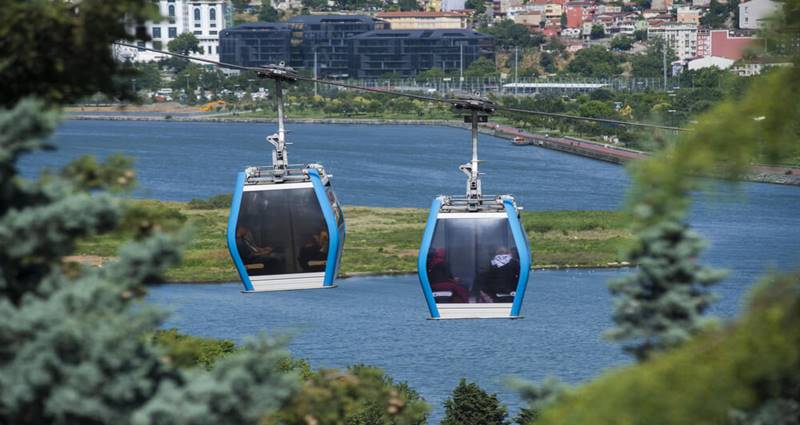
There are two cable car lines in the city: the first connects Eyüp with Pierre Loti, overlooking the Golden Horn, and the second connects Maçka and Taşkışla in the Beşiktaş area.
Trains
High-speed trains to Ankara and other cities depart from stations in İstanbul, including Pendik station on the Asian side.
Intercity coaches
These are large coaches used to travel between provinces. You can board them at the Otogar on the European side and at Harem on the Asian side.
Types of transport cards and their prices in İstanbul
The following prices follow the tariff in force since 20 July 2026:
1/ Full, non-discounted fare: 46.20 Turkish lira per ride.
2/ Student fare: 22.55 Turkish lira per ride.
3/ The Blue Card "Mavi Kart": a monthly pass costing 3,628 Turkish lira. It is useful for people who travel a lot, and unlike the standard card it is a personal pass that cannot be shared, as it carries the owner's details and photo.
4/ Student Blue Card: a monthly pass costing 653 Turkish lira.
Dolmuş fares
43 Turkish lira for a short distance of up to 4 km, with the fare rising as the distance increases.
28 Turkish lira for students.
Other prices
Taxi meter start: 71.94 Turkish lira, and the minimum short-distance fare: 230 Turkish lira.
Ferries (Vapur): from 58.52 lira (Üsküdar - Eminönü) to 65.21 lira (Kadıköy - Eminönü and Kadıköy - Beşiktaş), and 171.89 lira for the Bostancı - Adalar route.
Marmaray: from 37.40 Turkish lira for short distances up to 82.17 lira for long distances.
Sea transport
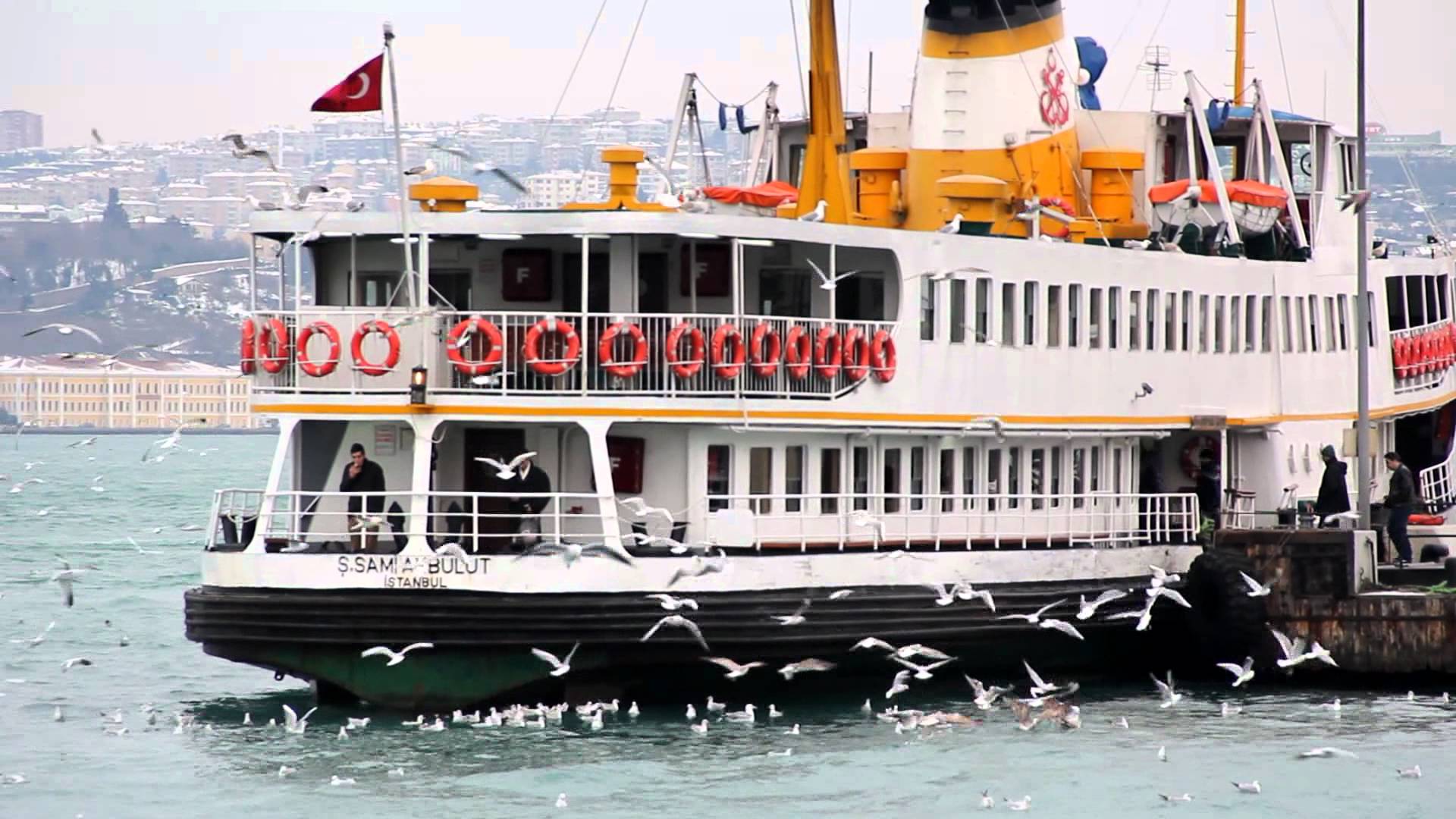
Ferry (Vapur):
A public sea transport service linking the two sides of the city. Its piers on the European side include:
(Yenikapı – Kabataş – Beşiktaş – Karaköy – Eminönü).
Its piers on the Asian side include:
(Bostancı – Haydarpaşa – Üsküdar – Kadıköy).
The public transport options above use prepaid electronic cards, except the dolmuş and taxis.
İstanbulkart, also known as Akbil:
It is a card you buy from kiosks at bus stops, small shops or machines, and you can top it up at top-up points or at the electronic machines at bus stops, metro stations and ferry piers. It can be used on all public transport in İstanbul except the dolmuş. For details of its types, please visit this report.
Car ferry (Feribot):
A ferry carrying passengers and cars. One of its best-known routes is Harem – Sirkeci between the Asian and European sides, and the fare is paid directly at the route's ticket points.
Sources:
https://tr.euronews.com/2026/07/17/istanbulda-toplu-ulasim-ve-belediye-kreslerine-zam-iste-yeni-tarife
https://en.wikipedia.org/wiki/Istanbul_Metro
https://en.wikipedia.org/wiki/Istanbul_Metrobus
https://en.wikipedia.org/wiki/Istanbul_Tram
https://en.wikipedia.org/wiki/Marmaray